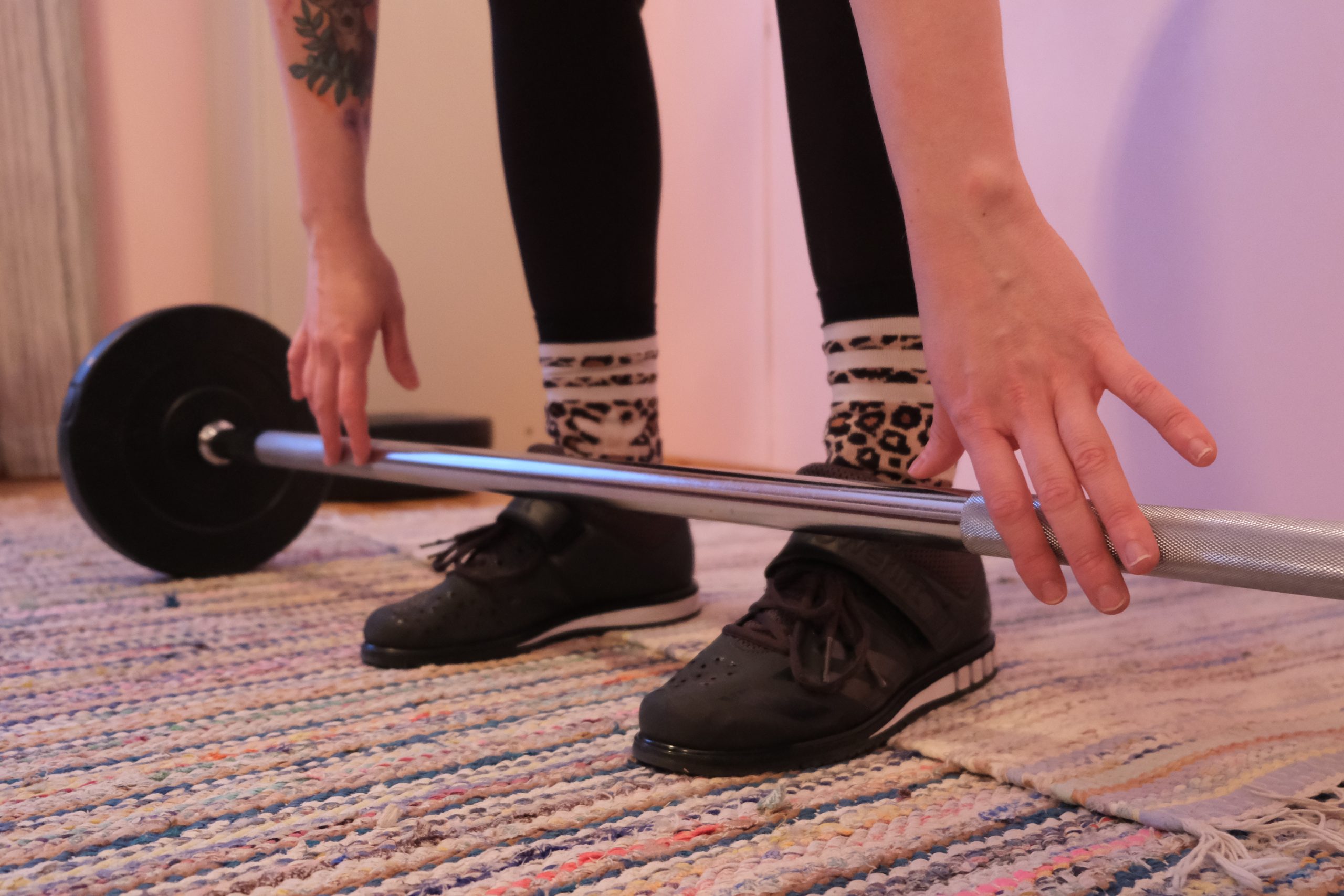
When people think about agility performance, they usually focus on the dog. But every course is a team effort, and your own physical abilities play a much bigger role than you might think.
Strength training isn’t about building muscle for appearance or lifting the heaviest weights in the gym. It’s about developing the physical qualities that allow you to move efficiently, react quickly, and stay in control while handling your dog at speed.
Why strength matters in agility
Every acceleration, deceleration, front cross, blind cross, and tight turn requires your body to produce and absorb force. The stronger you are, the easier these movements become.
Strength training can help you:
- Accelerate faster from a standstill.
- Brake more effectively before changes of direction.
- Maintain balance during fast handling manoeuvers.
- Generate more powerful movement with less effort.
- Reduce unnecessary fatigue during training and competition.
Rather than working harder, you’ll be moving more efficiently.
Strength improves movement quality
Good handling isn’t just about speed, it’s about controlling your body under changing conditions.
A solid strength foundation improves stability through your hips and core, allowing you to stay balanced while rotating, cutting, or reaching. It also helps you maintain good posture and movement mechanics even when you’re under pressure.
The result is cleaner, more consistent handling.
Injury resilience matters too
Agility places repeated demands on your joints, tendons, and muscles. While no training can eliminate injury risk entirely, becoming stronger helps your body tolerate these demands more effectively.
Strong muscles support your joints, improve force absorption, and make repetitive training easier to recover from.
Train for performance, not bodybuilding
The goal isn’t to spend hours in the gym.
A well-designed strength programme focuses on movements that transfer to agility: lower-body strength, single-leg stability, rotational control, core strength, and explosive power. Even two focused sessions each week can make a noticeable difference over time.
The bottom line
Your dog isn’t the only athlete on course – you are too.
Building strength gives you the foundation to move faster, stay balanced, handle more confidently, and enjoy the sport for years to come.
No responses yet